

Are Veneers Bad for Your Teeth?
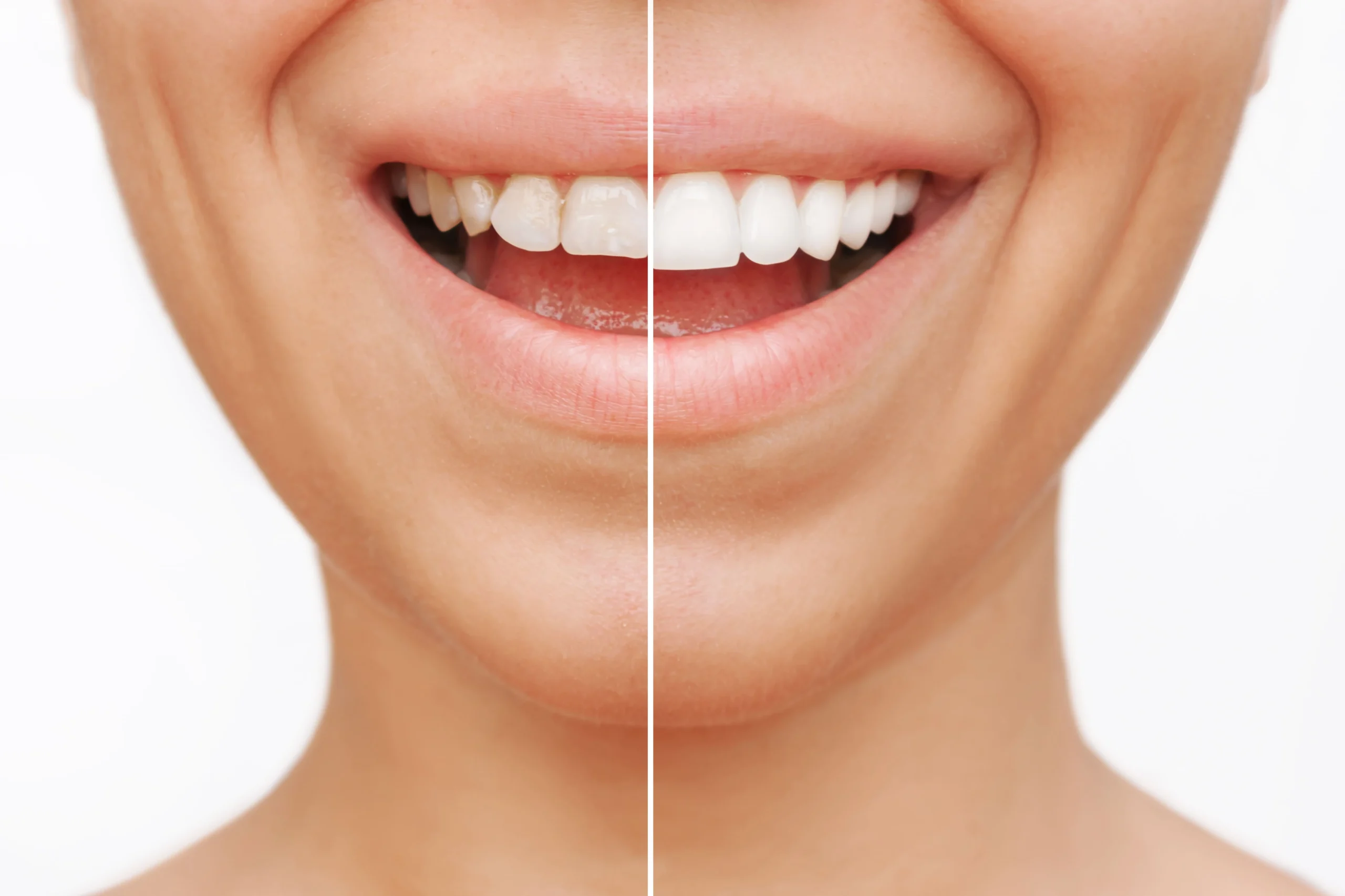
Veneers have a bit of a bad reputation.
If you’ve ever seen photos online of teeth shaved down to tiny pegs, it’s no surprise you might be wondering whether veneers are actually bad for your teeth. Add in fears about decay underneath veneers, and it can all feel a little alarming.
The good news? Most of what you’ve heard or seen is either outdated, exaggerated or missing important context. When veneers are planned and placed properly, they are a safe and effective cosmetic treatment that can protect and improve your smile rather than damage it.
So let’s break down the facts and you can decide if they are right for you.
Why Veneers Get a Bad Rap
Much of the fear around veneers comes from viral images and old-school dentistry. Years ago, veneer techniques often required more aggressive enamel removal to ensure a strong bond.
Today, dentistry has moved on significantly, and modern veneers are thinner, stronger, and far more conservative. Not only that, at Wyndham Dental, veneers are customised to suit your teeth, bite, and facial structure, meaning unnecessary tooth removal is avoided wherever possible.
Do Teeth Have to Be Shaved Down to Stumps for Veneers?
This is one of the biggest myths about veneers and it’s simply not true.
In most cases, only a very small amount of enamel is removed, usually less than a millimetre. The purpose of this is to allow the veneer to sit flush with your natural tooth so it doesn’t look bulky or artificial.
In some cases, no-prep or minimal-prep veneers may be an option, where little to no enamel is removed. Whether this is suitable depends on your natural tooth shape, alignment, and the result you want to achieve.
Those dramatic “stump” images you see online usually involve:
- Extreme cosmetic makeovers
- Patients with heavily damaged teeth
- Old or poorly planned dental work
- Or cases where crowns were used, not veneers
Done properly, veneers should never leave your teeth vulnerable or weak.
Does Enamel Removal Make Teeth Weaker?
Enamel removal is permanent, which is why veneer treatment should always be carefully considered. However, when done conservatively, it does not weaken your teeth. In fact, once bonded, veneers can add strength and protection to the front surface of the tooth.
The key is that veneers must be:
- Custom-designed
- Properly bonded
- Placed on healthy teeth
This is why a thorough assessment is essential before treatment begins.
Do Your Teeth Rot Under Veneers?
This is another common fear and an important one to address clearly.
No, teeth do not rot under veneers when they are placed correctly and cared for properly. Why? Because veneers are bonded tightly to the tooth surface, creating a sealed barrier. Decay can only occur if bacteria can sneak in, which typically happens when:
- Veneers are poorly fitted
- Bonding fails over time
- Oral hygiene is neglected
At Wyndham Dental, precise fitting and high-quality bonding materials are used to reduce this risk significantly.
That said, veneers don’t make your teeth immune to decay. The edges of the veneer and the natural tooth underneath still need daily care.
Can Cavities Form Around Veneers?
Yes, cavities can form around veneers, just like they can around natural teeth or fillings.
The most common risk areas are:
- Along the gumline
- Between teeth
- At the edges of the veneer
This is why good oral hygiene and regular dental check-ups are essential. Brushing twice daily, flossing, and attending professional cleans will help keep both your veneers and natural teeth healthy.
Are Veneers Reversible?
Because enamel is usually removed, veneers are considered a long-term commitment. Once you have veneers, you’ll always need some form of coverage on those teeth, whether it’s replacement veneers in the future or another restorative option.
While this is not necessarily a downside, it’s something patients should fully understand before proceeding. Veneers are an investment in your smile and should be approached with realistic expectations.
When Veneers Might Not Be the Right Choice
Veneers aren’t suitable for everyone. They may not be recommended if you:
- Have untreated gum disease
- Grind or clench your teeth severely
- Have extensive decay
- Prefer a fully reversible cosmetic option
In these cases, alternative treatments such as whitening, orthodontics, bonding, or crowns may be more appropriate. A personalised consultation helps determine the safest and most effective solution.
How to Keep Veneers and Teeth Healthy Long-Term
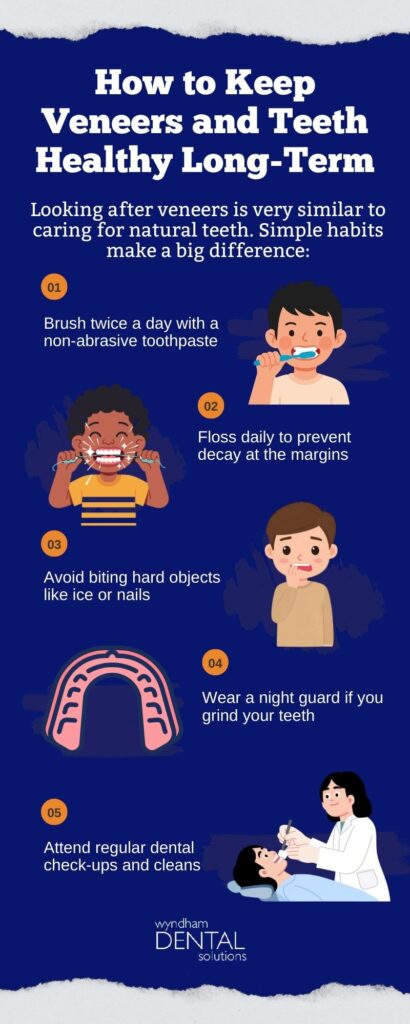
If you care for your veneers, they can last 10-15 years or longer.
So, Are Veneers Bad for Your Teeth?
When done properly, veneers are not bad for your teeth. The horror stories usually come from outdated techniques, poor planning or lack of aftercare.
Modern veneers are conservative, carefully designed, and placed with your long-term oral health in mind. When carried out by an experienced dental team, they can enhance your smile while keeping your natural teeth healthy underneath.
Considering Veneers? Speak to Wyndham Dental
If you’re curious about veneers but still have concerns, the best next step is a personalised consultation. At Wyndham Dental, your teeth are assessed thoroughly before any cosmetic treatment is recommended, ensuring veneers are both safe and suitable for you.
Book a consultation today to explore your options and get honest advice tailored to your smile.