

Can I Use Salt Water as Mouthwash Every Day?
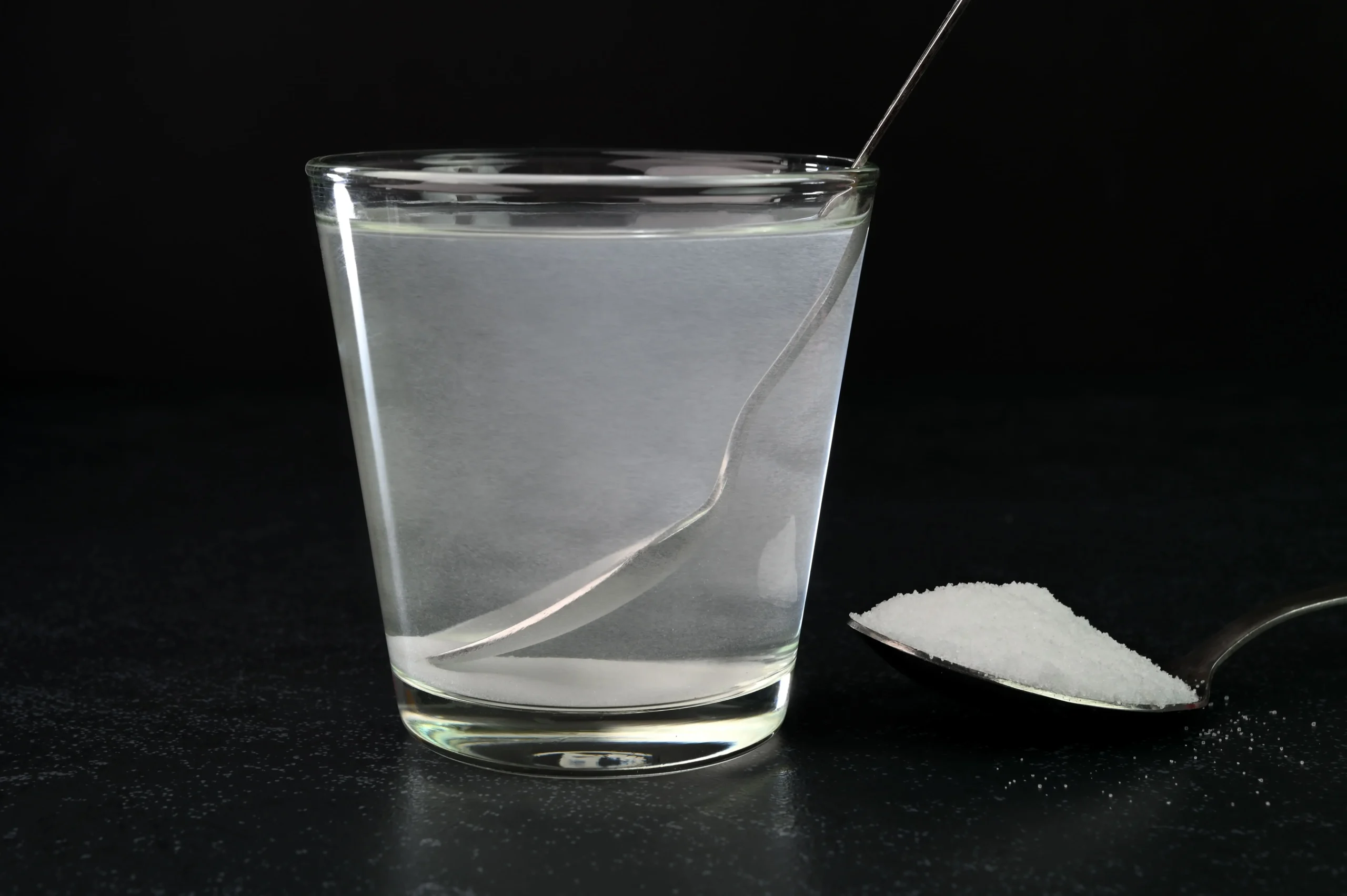
Salt water rinses sit somewhere between home remedy and dentist-approved advice. You’ll hear about them after extractions, during gum flare-ups, or when someone swears it fixed their mouth ulcers overnight. But using salt water as your everyday mouthwash? That’s where it gets interesting and maybe a bit too much.
Now to answer the awaited question – yes, you can use salt water daily. It’s safe for most people when used correctly. But using it as your only mouthwash long-term isn’t ideal.
Salt water works by creating a slightly alkaline environment in your mouth. Harmful bacteria tend to prefer more acidic conditions, so this shift can slow their growth. At the same time, it helps reduce inflammation and draws out excess fluid from swollen tissues, which is why it feels so soothing on irritated gums.
Daily use can be helpful in certain situations, especially if your gums are sensitive or healing. But it doesn’t replace the protective benefits of modern dental products, particularly those containing fluoride.
So while it’s a great addition to your routine, it shouldn’t be the entire routine.
Benefits of Using Salt Water as a Mouthwash
There’s a reason dentists still recommend something as simple as salt and warm water. It works, and it works well in the right context.
It’s Gentle And Chemical-Free
If your mouthwash tends to sting or feel too strong, salt water offers a much softer alternative. There’s no alcohol, no artificial flavours, and nothing that disrupts the natural balance of your mouth too aggressively.
It Helps Control Bacteria
Salt water doesn’t “kill everything” like some antibacterial rinses claim to, but it does make it harder for harmful bacteria to thrive. That alone can help reduce plaque build-up and minor infections.
It Supports Gum Healing
Swollen, bleeding, or irritated gums can benefit from salt water rinses. The solution helps calm inflammation and encourages the healing process, especially in the early stages of gum issues.
It’s Ideal After Dental Procedures
After treatments like tooth extractions, implants, or deep cleans, your dentist will often recommend salt water rinses. They keep the area clean without being too harsh, which is exactly what your mouth needs during recovery.
It’s Simple And Affordable
No need to run to the shop or choose between brands. A glass of warm water and a pinch of salt is all it takes. It’s one of the easiest oral care habits to maintain.
The Limitations You Should Know About
As helpful as salt water is, it’s not a miracle solution. Relying on it too heavily can leave gaps in your oral care routine.
It Doesn’t Contain Fluoride
This is the biggest drawback. Fluoride plays a key role in strengthening enamel and preventing tooth decay. Salt water doesn’t offer that protection, which means it can’t replace fluoride toothpaste or mouthwash.
It’s Not Designed For Long-Lasting Freshness
If you’re using mouthwash mainly for fresh breath, salt water won’t give you the same effect. It doesn’t neutralise odours in the way commercial rinses do.
Overuse Can Cause Irritation
Too much salt, or rinsing too frequently, can dry out the tissues in your mouth and lead to discomfort rather than relief.
It Won’t Treat Underlying Dental Issues
Salt water can ease symptoms, but it doesn’t fix the cause. If you have gum disease, cavities, or persistent pain, you’ll need proper dental care to address the problem.
Can Daily Use Cause Side Effects?
Used correctly, salt water is generally safe. But daily use, especially over long periods or with stronger concentrations, can lead to a few potential issues.
Enamel Wear Over Time
Salt itself isn’t highly abrasive when dissolved, but frequent exposure to concentrated solutions may contribute to subtle enamel wear, especially if combined with aggressive rinsing habits or brushing immediately after.
Dry Mouth
Salt water can draw moisture out of oral tissues. With repeated use, this may leave your mouth feeling dry, which can actually increase the risk of bad breath and bacterial growth if saliva flow is reduced.
Excessive Sodium Exposure
While you’re not meant to swallow salt water, small amounts can still be ingested accidentally. Over time, especially if used multiple times a day, this could contribute to increased sodium intake, which may be a concern for people on salt-restricted diets.
These effects are generally mild and avoidable. The key is moderation and using the correct ratio.
How to Use Salt Water Safely Every Day
If you’re thinking of making it part of your daily routine, a few small adjustments can make a big difference.
- Start with the right mix. About half a teaspoon of salt in a glass of warm water is enough. It should taste mild, not overly salty.
- Swish gently for about 20 to 30 seconds, then spit it out. There’s no need to rinse with plain water afterwards.
- Once a day is usually enough for general maintenance. If you’re dealing with irritation or healing from a procedure, your dentist might recommend using it more often for a short period.
- Timing matters. Using it after brushing or before bed can be a simple way to build it into your routine without overdoing it.
When Is Daily Use a Good Idea?
Salt water rinses can be particularly helpful in certain situations.
- If your gums bleed when you brush or floss, a daily rinse can help reduce inflammation while you work on improving your oral hygiene.
- If you have mouth ulcers or minor sores, it can speed up healing and reduce discomfort.
- If you’ve recently had dental work done, daily use (as advised by your dentist) can support recovery without irritating the area.
And if you simply prefer a natural approach to oral care, salt water can be a gentle addition alongside your regular products.
When You Should Be Careful
There are times when salt water isn’t enough on its own.
- If you’re experiencing ongoing gum pain, swelling, or bleeding that doesn’t improve, it could be a sign of gum disease. Salt water might ease the symptoms temporarily, but it won’t stop the condition from progressing.
- If you have frequent bad breath, the cause might be deeper than surface bacteria. Issues like decay, infection, or dry mouth need targeted treatment.
- If your teeth feel sensitive or painful, it’s best not to rely on home remedies. Getting a proper diagnosis early can save you from bigger problems later.
Building a Balanced Oral Care Routine
Think of salt water as a supporting step, not the star of the show. A strong daily routine still includes brushing twice a day with fluoride toothpaste, flossing to remove plaque between teeth, and using a dentist-recommended mouthwash if needed.
Salt water fits in as an extra layer of care, especially when your mouth needs a bit more attention. Used this way, it can enhance your routine rather than replace essential steps.
Take the Next Step with Wyndham Dental
If you’re unsure whether salt water rinses are right for your daily routine, or you’re dealing with ongoing gum or tooth concerns, it’s always best to get professional advice.
At Wyndham Dental, our team takes the time to understand your oral health and recommend care that actually works for you. Whether it’s preventive advice or tailored treatment, we’re here to help you maintain a healthy, confident smile.
Book your appointment with us today and let’s get your oral care routine working the right way.