

Options for Lost Teeth: Implants, Bridges & Dentures
Losing a tooth can leave more than just a visible gap. Depending on where the tooth is located and how many teeth are missing, it may affect how you chew, speak or feel about your smile. Over time, nearby teeth may also shift into the space, while changes can occur in the bone around the missing tooth. The good news is that there are several treatment options for lost teeth.
While no single treatment suits everyone, the three most common options are dental implants, dental bridges and dentures. The best option depends on factors such as how many teeth you are missing, the health of your remaining teeth and gums, the amount of supporting bone available and your individual treatment goals.
At Wyndham Dental, we can assess your smile and walk you through the available options so you can make an informed decision about replacing missing teeth.
Why Should Missing Teeth Be Replaced?
Missing teeth should be replaced because they can make chewing more difficult, particularly if several teeth are missing or the gap is in an area that plays an important role in biting and grinding food. Larger gaps may also affect speech. Not only that, but teeth around the gap may also gradually move, which can change how your teeth fit together.
While they don’t always cause problems immediately, leaving a gap can affect how your teeth function. Replacing a lost tooth is therefore about more than simply filling a space. Choosing the right tooth replacement option for lost teeth can help restore function and appearance while supporting the overall balance of your bite.
Options for Lost Teeth
Option 1: Dental Implants
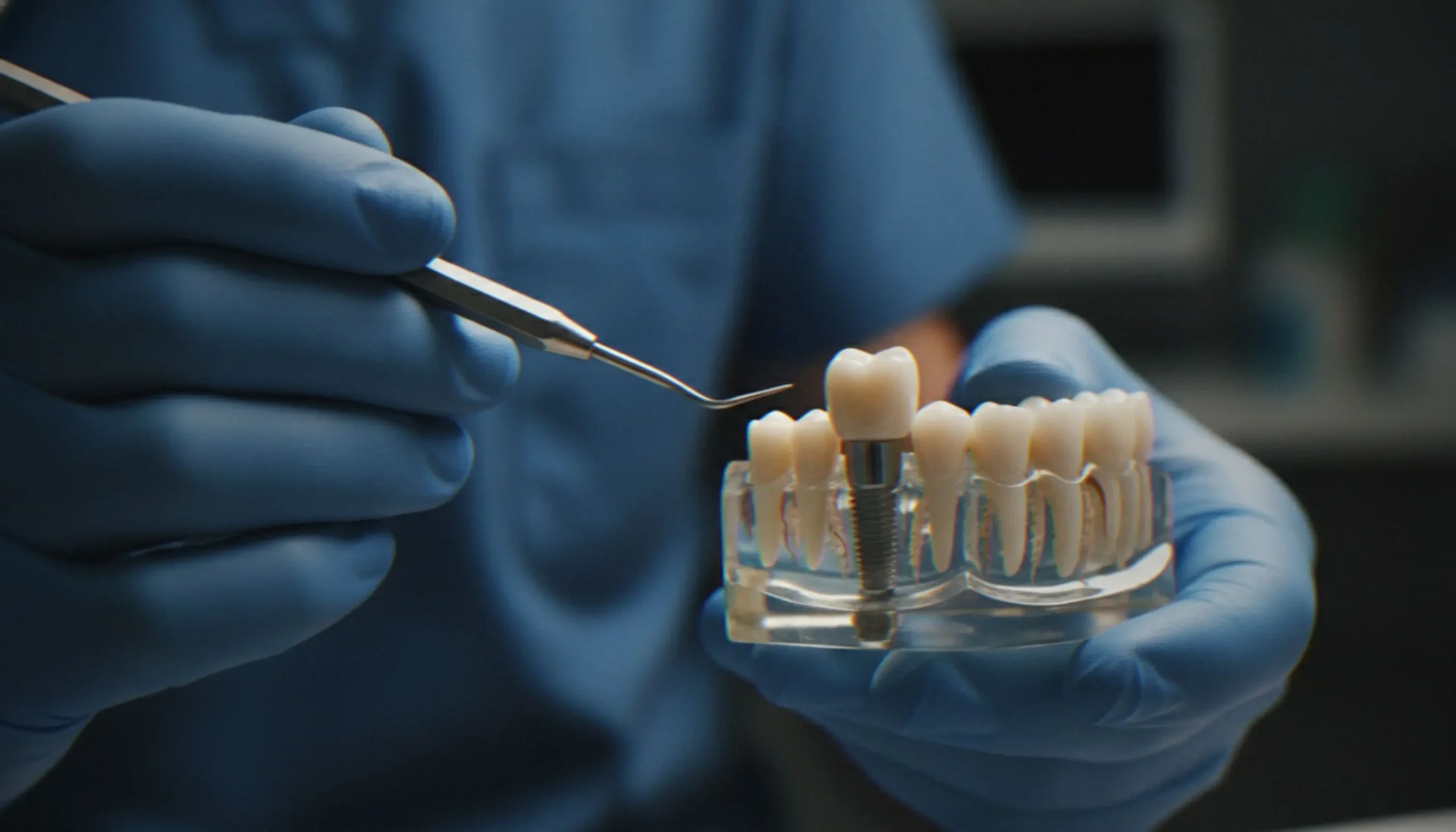
A dental implant is designed to replace the missing tooth, including the root. The implant is placed into the jawbone and can then support a replacement tooth, such as a crown, bridge or denture once it fuses. For a single missing tooth, an implant is commonly topped with a custom-made crown. However, if several teeth are missing, implants may be used to support a bridge. They can also provide support and stability for certain types of dentures.
Benefits Of Dental Implants
- Doesn’t rely on neighbouring teeth for support.
- Healthy teeth beside the gap don’t need to be reduced or prepared.
- They are fused to the jawbone and provide a stable foundation for replacement teeth.
- Dental implants preserve the bone in the area where the tooth was lost because they replace the tooth root.
- They feel and function more like a natural tooth than a removable option.
Factors To Consider Before Getting Dental Implants
Implant treatment is not suitable for everyone. Your overall health, habits like smoking, oral hygiene, gum health and the amount of bone available in the jaw can all influence whether implants are an appropriate option. When you visit us, we will do an initial assessment to determine your eligibility.
Treatment also involves a surgical procedure and may take several months to complete, depending on your individual circumstances and treatment plan. Some patients may require additional procedures, such as bone grafting, before an implant can be placed. So, if you want quick results, implants may not be the best option.
Like natural teeth, implants require ongoing care. Regular brushing, cleaning between teeth where appropriate and routine dental visits are important for maintaining the health of the surrounding tissues.
That said, dental implants may be worth considering if you want a fixed replacement, are missing one or more teeth and have suitable oral and general health for implant treatment.
Option 2: Dental Bridges
A dental bridge replaces one or more missing teeth by bridging the gap between existing teeth. Depending on the type of bridge, it may be supported by the teeth on either side of the missing tooth or, in some cases, by dental implants. The surrounding teeth support the replacement tooth or teeth, acting as anchors.
Benefits Of Dental Bridges
- Provides a fixed solution for missing teeth without the need for a surgical procedure, as with implants.
- A suitable option when the teeth beside the gap already require crowns or restorations.
- Dental bridges can restore the appearance of your smile and help improve chewing and speech affected by missing teeth.
Factors To Consider Before Getting Dental Bridges
A dental bridge may be worth considering if you want a fixed replacement and have suitable neighbouring teeth that can support the restoration.
With a conventional bridge, the supporting teeth may need preparation to accommodate crowns. This means that some tooth structure may need to be altered. A bridge also depends on the health and strength of the teeth supporting it, which is why keeping those teeth and the surrounding gums healthy is important for long-term success.
Cleaning around and underneath a bridge can also require a little extra attention. Before you leave our clinic, we will show you the most effective ways to keep the area clean and maintain your oral health.
Option 3: Dentures
Dentures are removable appliances designed to replace missing teeth. They can replace one or more teeth or an entire upper or lower arch. A partial denture replaces one or several missing teeth while some natural teeth remain. A full denture is used when all the teeth in the upper or lower jaw are missing.
Dentures are custom-made to fit your mouth and can help restore your ability to eat and speak while also improving the appearance of your smile.
Benefits Of Dentures
- Dentures are a practical solution when you need to replace multiple teeth or an entire arch.
- They do not require surgery because they are removable.
- They can be a good option when implants or bridges aren’t appropriate.
- Implant-supported dentures can offer greater stability than conventional removable dentures for eligible patients.
Factors To Consider Before Getting Dentures
Dentures may be worth considering if you are missing several or all of your teeth or want a removable replacement option.
That said, dentures require regular cleaning and care, adjustments, relining or replacement over time as your mouth and supporting tissues change. Some people also need time to adjust to wearing dentures, particularly when they are new. Speaking and eating may feel different at first, but this often becomes easier as you adapt. If your denture becomes loose, uncomfortable or causes ongoing irritation, it is important to have it assessed rather than relying on adhesive products to manage the problem.
Which Tooth Replacement Option Is Right For You?
The answer completely depends on your situation. The condition of the teeth next to the gap, your gum health and the amount of available bone can all influence the decision.
- If you are missing a single tooth, an implant or bridge may be suitable options.
- If you are missing several teeth, implants, a bridge, a partial denture or an implant-supported solution may be suitable.
- If you are missing all your teeth, we may discuss full dentures or implant-supported replacement options.
During your consultation, we will consider factors such as:
- The number and location of missing teeth
- The health of your remaining teeth
- The condition of your gums
- The amount and quality of available jawbone
- Your bite and overall oral health
- Your general health and suitability for certain procedures
- Your preferences, expectations and treatment goals
A comprehensive assessment matters because treatment should be based on your individual oral health and needs, not a one-size-fits-all recommendation.
Replace Missing Teeth With Wyndham Dental
Whether you have lost a single tooth or several, you don’t need to settle for a gap in your smile.
Dental implants, bridges and dentures are all effective treatment options for lost teeth, but each approach has different advantages and considerations. At Wyndham Dental, we can assess your oral health, discuss available treatment options and help you understand which solution may best suit your needs.
Book a consultation with Wyndham Dental to discuss your options for replacing missing teeth and take the next step towards restoring your smile.